Discover the plays included in the database of the Association of Theater Authors (AAT). You can filter by author, title, language, gender, etc, using our search form.
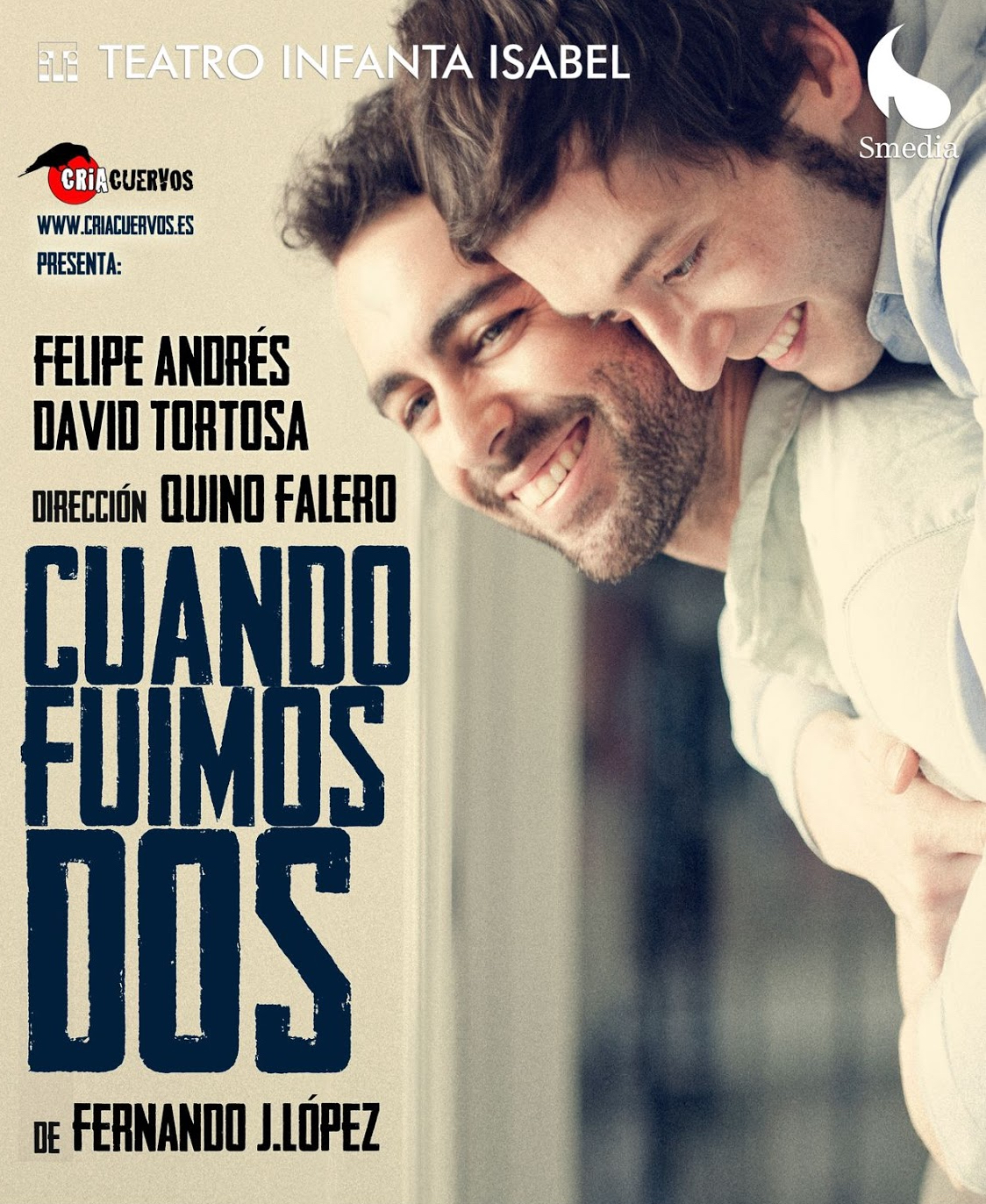
¿Cuánto duran los amores eternos?
Nunca resulta fácil ser dos. Y ni Eloy ni César están seguros de si quieren seguir luchando para conseguirlo o si, en realidad, ha llegado el momento de rendirse definitivamente.
Su historia comenzó en la misma cama desde la que ahora reflexionan, un lugar donde han compartido inseguridades, deseos, miedos y aspiraciones de las que ahora ya no saben cómo desprenderse. Ambos nos invitan a asomarnos a su particular combate dialéctico y emocional, convirtiéndonos en voyeurs de una relación tan llena de verdades y mentiras como la de cualquier otra pareja.
Una historia donde no hay víctimas ni culpables, tan sólo dos personas que buscan el modo de salvar una pasión que se empeña en dejar de ser y que quizá ahora le duele porque lo suyo nunca fue real. O quizá sí. Quizá fue tan real que sólo podía desaparecer.
Z, escritor de reconocido prestigio, se levanta una mañana y sus botas le conducen hasta un contenedor de escombros. Un zapato corona dicho contenedor y esta visión le golpea como si de una revelación del oráculo de Delfos se tratase: es la prueba que necesitaba para iniciar la búsqueda de ELLA, reportera gráfica en situaciones de conflicto de alto riesgo.
Z cruza la península ibérica en diagonal, de Lisboa a Barcelona, y atraviesa el viejo continente: Calais, Lampedusa, Frankfurt, Röszke, Mitilene y Estambul, hasta llegar a Tiro, antigua Fenicia, con la intención de recuperar a ELLA.
CUANDO SE PIERDE UN ZAPATO SE PIERDE UNA BATALLA es un tríptico a modo de road-movie.
El Viejo Mundo agoniza y es atravesado por las historias e identidades de nueve mujeres y nueve hombres que lo habitan configurado en Viaje (3) / Escenas (9) / Motel (4) y arropados desde los extremos por los soliloquios de Z y ELLA, bajo un flujo de conciencia epistolar, encriptado entre escena y escena.
This is the story of Totín, Gaudy, Taparita, Tummy, Burrito, Culebra, and Coquito, seven children at any afternoon in the park to play. While they come in one-to-one, you are proposing to time the game that they would like to have fun between those traditional and unforgettable games of childhood like the ring, ale-lemon, stick mantequillero, stop 1 2 3 chick English, the viper of the sea, cops and robbers, matarile-lire-ron that, unfortunately, today have been displaced by technology. At some point Totín comes up with a new game, one that she has been invented for all: play to adults. It is as well as the seven "infiltrate" in the world of adults, according to the indications of Totín, to discover with astonishment and fear, a place very different to yours, full of ambition, selfishness, and destruction. Now they will have to decide how to deal with that other world that threatens the existence of his own.
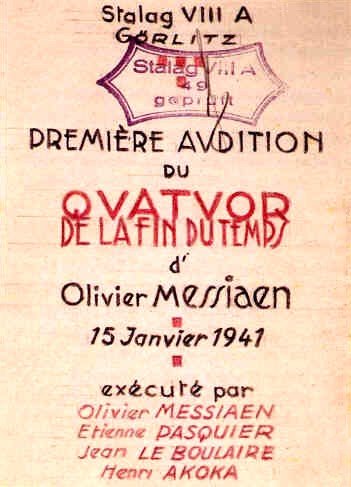
El 15 de enero de 1941, en el campo de prisioneros de Görlitz, en Silesia, tuvo lugar el estreno del "Quatour pour la fin du temps" de Olivier Messiaen, una de las grandes obras de cámara del siglo XX. Sus intérpretes fueron el violinista Jean Le Boularie, el clarinetista Henri Akoka, el violonchelista Étienne Pasquier y el propio Olivier Messiaen al piano, todos ellos capturados a poco de comenzar la Segunda Guerra Mundial. El mismo Messiaen relató cómo fue el proceso y las circunstancias que rodearon a la creación de la famosa obra de cámara. "Cuarteto para el fin del tiempo" recrea libremente ese proceso y lo entrelaza con otro hecho real y terrible ocurrido en el transcurso de la contienda. En el gueto de Theresienstadt (Terezin), cerca de Praga, los nazis instalaron un campo de exhibición en el que los judíos podían realizar ciertas actividades culturales como conciertos o representaciones teatrales con motivo de la visita que una delegación de la Cruz Roja hizo al campo en el año
Dos cebollanos, una malpiqueña y un malpiqueño. Cuatro toledanos de ochenta y tantos años, cuatro “bolos” residentes en Madrid. Sus piques cotidianos, su rutina diaria en un parque de Madrid, donde se juntan cada día, hasta que un hecho insólito, seguido de algunos otros menos extraordinarios pero más determinantes alteran -y de qué manera- su relativa monotonía. Una obra que pretende reflejar la idiosincrasia la idiosincrasia de nuestros mayores castellano-manchegos -en este caso toledanos- haciendo especial hincapié en ese localismo famoso con el que se identifica a los toledanos y a la provincia del “bolo”.
Four of three, it's a comedy in two acts, with situations the order of the day. Months after they met at a Spa, which was attended during the summer holidays, three friends are in turn gather to discuss how and in what way they have solved their problems both marital and affective. Among his confidences they discover that there have been other twists in their lives that have turned out to be totally unexpected.
IMPORTANT: The inclusion of this content does not imply any transfer of rights on the part of their authors, who retain their integrity, and may not be infringed by any third-party without having to answer for the violation incurred. This implies the prohibition of exploitation title lucrative, not to mention its authors. However, any person or entity interested in the exploitation of the works included in Buscautores you are able to contact them through the AAT.”
NOTE: “All of the data has been provided by the authors, therefore, the AAT is not responsible for their accuracy”.
This website uses cookies for its proper operation. By clicking the Accept button, you agree to the use of these technologies and the processing of your data for these purposes. If you want you can Configure cookies and/or review our
Cookie policy