To have a body
AUTHOR: Diana I. Luque
Synopsis
Andrew, excorredor athletics career, he has desired since the child does not have legs. One day she decides to carry out his wish. To the surprise of doctors and therapists, Andrew says he feels like a complete being without them. Is more, he manages to beat two world records in athletics without legs. The work mimics the form of an academic conference, although, quite peculiar. In it, Andrew establishes a parallelism grotesque between his obsession for the body and the demands and aspirations of his daughter, exmodelo professional and image of a fashion company multinational.
Technical data
Original language:
Spanish
Gender:
Comedy
Female characters:
None
Male characters:
1
Edited
Space
1
Duration
Theatre brief
Time
Contemporary
Year of establishment
2011
Other data
Date of Publication: 2014
Editorial: Revista Red Escénica. Enero-Abril 2015, Nº3, pp. 32-42. ISSN: 2386-6152 // RODARELIS, Stylianos (Ed.) Pasiones imposibles: obras cortas. Grecia: IASPIS, 2014, pp. 97-130. ISBN 978-960-7708-36-6
Additional information
Lectura dramatizada: 11.10.2015. Semana de la Dramaturgia Nuevo León 2015, Teatro de la Ciudad, Monterrey, MĆ©xico. Dirección: Natalia Quintero. IntĆ©rpretes: JosĆ© Luis āYoguiā Garza y Mariana CaƱedo. https://www.cultura.gob.mx/estados/saladeprensa_detalle.php?id=42533
//
Lectura dramatizada: 30.04.2014. Teatro Guindalera, Madrid. Dirección: JosĆ© Troncoso. IntĆ©rpretes: Felipe AndrĆ©s y Cristina Palomo (CompaƱĆa Teatro La Guindalera). http://www.teatroguindalera.com/lecturas-dramatizadas
About the author
Diana I. Luque
Dramaturga, traductora y Profesora Ay. Doctora Dpto. de FilologĆa Inglesa UAM. Miembro de los consejos de redacción de āPrimer Actoā y "Acotaciones". Premio Especial Nieva 2026, XI Festival de Teatro Francisco Nieva por "Ecos en el fango". Candidata al Premio Max 2019 Mejor espectĆ”culo familiar por āEl niƱo erizo". Premio FITIJ 2016 RepĆŗblica Dominicana Mejor Adaptación (coautorĆa) y Premio del PĆŗblico Indifest 2016 Santander por "Novelas Ejemplares". Premio Internacional de Teatro Ricardo López Aranda 2011 por āTras la puertaā. Premio āMarĆa MartĆnez Sierraā de Traducción ADE 2020 por "El sueƱo Cordelia", de Marina Carr, y finalista en 2012 por āEstĆ©ticas de la destrucción: el teatro irlandĆ©s en la era del Celtic Tigerā. Ha traducido a Peter Brook, Martin McDonagh, Hasan Erkek y David Hare, etc. MĆ”ster en Creación Teatral UC3M, MĆ”ster en Teatro y Artes EscĆ©nicas ITEM-UCM, TĆtulo Superior Dramaturgia RESAD, DEA en Literatura Inglesa y Norteamericana UAM, Lda. FilologĆa Inglesa UAM.
Specialty
Playwright, translator and teacher
Three comedians āvagamundosā remain stranded at the time, condemned to earn a livelihood with the job of representing the āSpanish Englishā and āThe two maidensā, two āExemplary Novels of Cervantes'. Both novels are a hymn to humanity and freedom, and a tribute to women. Without leaving aside the humor, āExemplary Novelsā Factory Theater collects a critical thinking de Cervantes and his interest towards the marginalized classes of the society of his time, creating a fresh character fascinating. "Exemplary novels" has received 3 Awards International Festival of Theatre for Children and Youth, FITIJ 2016 (Rep. Dominican); Best Adaptation: Diana I. Luque and Gonzala Martin Scherman; Best Direction: Gonzala Martin Scherman and Salvador Sanz; and Best Female Performer: Paloma GarcĆa Vidal; and 3 Awards Indifest 2016 (Santander); Best Direction: Gonzala Martin Scherman; Best Actress (ex aequo): Paloma Vidal and Teresa Mirror; and the Audience Award.
The kingdom of Illyrian is transformed thanks to the magic of theatre in a circus ring, the count Orsino in the head of the track, the beautiful lady Olivia in a trapeze artist who dances to two meters above the ground, and Sir Toby, Sir Andrew and Maria, on the clowns that hold the comedic plot of the function. The brothers, Viola/CesĆ”reo and Sebastian, the two victims of a shipwreck, are the generators involuntary love affair that develops in the work, and love, as we already know, it feels like a great kingdom which is under a tent. āNight of kingsā is a spectacle of colourful, bright, a delight for the senses, because they are dedicated. Six actors to twelve characters, who are also musicians, dancers, acrobats, clowns... a waste of energy and talent on the stage. Work accessible, designed so that they can also enjoy it people with hearing impairment or visual.
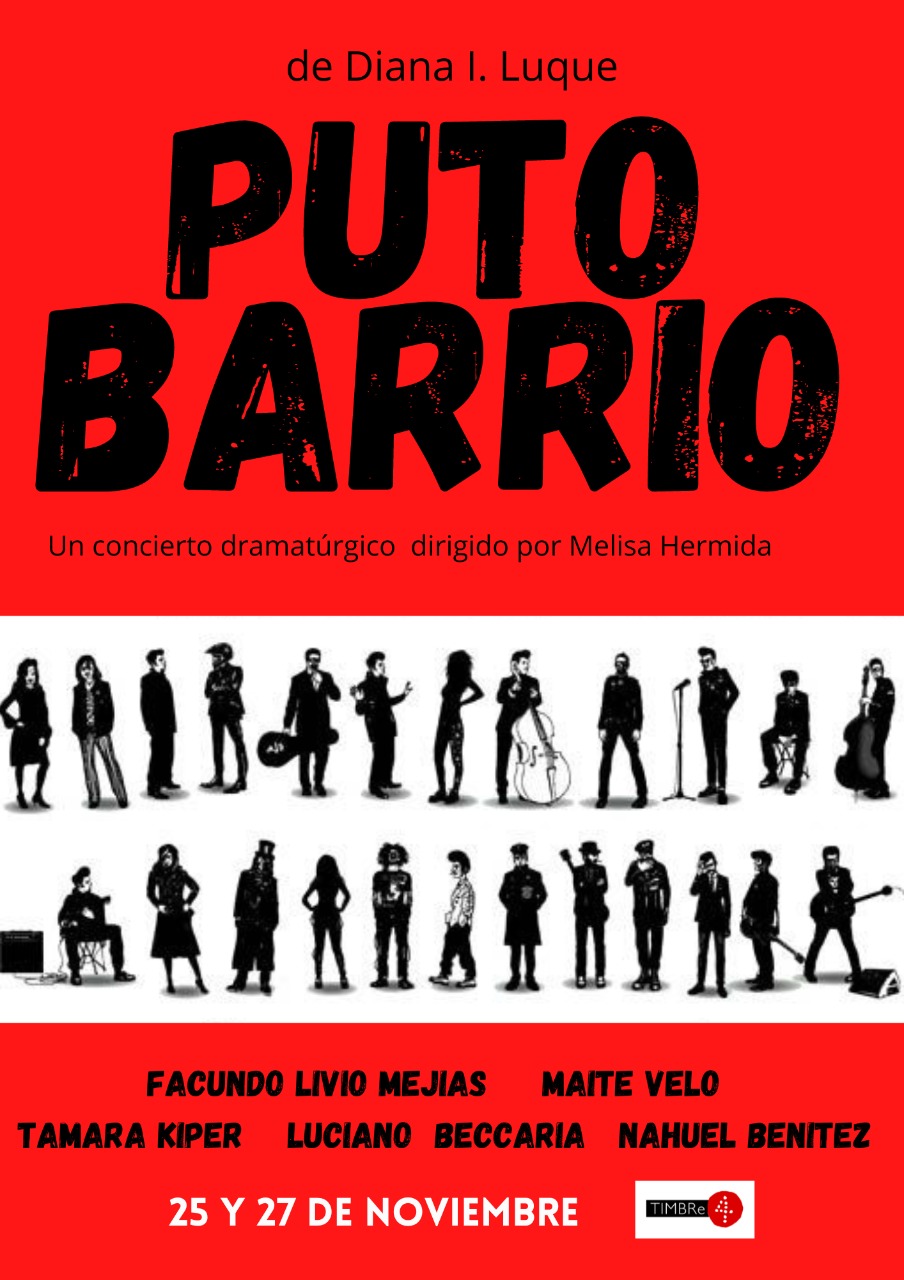
āFucking neighborhoodā is a coral scenic and a mosaic patchwork of voices that explores the conflicts neighborhood, commercial, and politicians that take place during the process of gentrification of a neighborhood. It is a transformation artificial, generated by government policies government encouraged the commercial speculation, and real estate. āFucking neighborhoodā addresses issues such as the rupture of the social fabric, the segregation by reason of class, or race, and the loss of memory in his neighborhood, the privatization of public, expropriation, the instrumentalization of culture and the creation of neighborhoods ābrandā or the turistificación. All this, without leaving aside the humor, and the grotesque.
Dos hermanas regresan al hogar familiar tras años sin hablarse. El asesinato de su madre y el encarcelamiento de su hermano traen al presente el horror de la violencia con la que han convivido desde pequeñas. Pero también las dudas y los temores: ¿Qué hacer con las heridas que no pueden sanar? ¿La violencia se aprende? ¿Se puede perdonar a un maltratador? ¿Se puede querer a un asesino?
"Ecos en el fango" explora la violencia machista en el Ć”mbito familiar, donde las experiencias de malos tratos y abusos hacia la mujer desbordan la noción misma de āviolencia de gĆ©neroā, ya que afectan e influyen en los hijos e hijas. La obra pone el foco en las vivencias de las niƱas y niƱos que conviven con las agresiones y que usan la imaginación y el juego como refugio y resistencia. TambiĆ©n indaga en las complejas consecuencias que estos y estas menores padecen como adultos/as. Odio y amor, horror y humor, silencio y sororidad conviven en "Ecos en el fango".
An image: Kisai in the news, the dark skin covered in ash... the fear in the eyes. A boy, his apadrinador, haunted by that image. A āsalvamundosā without humanitarian vocation, and with a salary that barely covers your needs. An idealistic young man who aspires to the most basic thing: to be loved. "Hugs empty" goes through the edges of a triangle impossible. A comedy that deals with the absurdity of human relationships, the desperation for the affection of the other, and the hypocrisy that underpins the social fabric.
Nueve meses antes de morir, Franz Kafka se establece junto a Dora Diamant en el BerlĆn de postguerra. En uno de sus paseos conoce a una niƱa a quien dedicarĆ” la que tal vez sea su obra mĆ”s preciada. El tiempo y la Historia han hecho desaparecer muchos de los escritos que Franz Kafka compuso en aquellos meses y que, durante dĆ©cadas, fueron objeto de bĆŗsqueda de Max Brod, su amigo y albacea.
āDuermevela kafkianaā parte de hechos históricos y biogrĆ”ficos para, a travĆ©s de la ficción, adentrarse en el peculiar universo del autor: sus obsesiones, sus āfantasmasā, sus anhelos⦠El tiempo se pliega sobre sĆ mismo en esta obra para revelar ācon horror y con humorā quĆ© fue y quĆ© pudo haber sido de estos personajes en una Alemania atravesada aƱos mĆ”s tarde por la barbarie del nazismo. āDuermevela kafkianaā es un texto sobre la escritura y las pesadillas que trascienden los sueƱos. Un texto sobre las otras historias que pudieron conformar la Historia.
Ruth, una madre, y David, su hijo enfrentados a la ausencia, siempre demasiado presente, de Alex, el hermano suicida. Laura, una adolescente sin domesticar, dispuesta a enarbolar con energĆa sus propias contradicciones. Un coro de adultos, en el que se dan la mano los mundos de la psiquiatrĆa y la terapia, la frivolidad, la cultura y la ciencia. Y una enigmĆ”tica pantalla de ordenador donde se desgranan los mensajes de quienes desean acabar con su vida.
Estas son las claves de "Tras la puerta", la obra con la que Diana I. Luque obtuvo el premio Ricardo López Aranda 2011. Una comedia dramĆ”tica que aborda con valentĆa y emotividad, sin desechar algunas dosis de humor, el tema silenciado del suicidio juvenil, desde el territorio de los vĆnculos familiares.
Cuatro ancianos son embaucados para que abandonen sus respectivas residencias y colaboren con su pensión a amortizar los gastos de una familia endeudada. Los cuatro miembros de la familia malviven entre cubos que contienen el agua de las goteras, con latas de macarrones como sustento diario y una deuda hipotecaria a la que hacer frente. En esta peculiar situación de extraƱamiento, la incomprensión y la sensación de pĆ©rdida trastocan la estabilidad familiar y crean vĆnculos afectivos y de dependencia mĆ”s fuertes que los consanguĆneos.
āLa tierra en la que habitan los pecesā incorpora la fantasĆa y el humor a la realidad social del momento, con el fin de generar cierta distancia sobre los hechos que permita reflexionar y hacer reflexionar al pĆŗblico sobre los mismos. Los personajes son como fieras enjauladas. Los instintos mĆ”s animales afloran, pero tambiĆ©n una visión grotesca sobre la vida y la muerte.
"Cracks" explores human nature and death. The title alludes both to the physical and emotional wounds of the characters āevolve to become the injuries of a latent riskā as the cracks of the text: the cracks in the fabric of dramatic that allow you to explore how the content looks as amended by the way. The text delves into the grounds as the sinister āin the literal sense of the term "unheimlich", how familiar or everyday becomes strange and terribleā, suggestion, something disturbing and troubling, or the unpredictable. The humor, the grotesque and irony verbal are essential features of "Cracks".
"The child hedgehog" is based on a short story by the popular folklore of German picked up by the brothers Grimm. A farmer longs to have a child and, after trying by various means āpotions and spells, including, gives birth to a child half-human, half-hedgehog. When you grow up, and feeling rejected by her father and by the people of the village, John decides to flee to the forest. How are faced by a child with the bewilderment of a peek at the world and be perceived to be different? What happens when we don't love ourselves? What happens when the others continually call into question who we are? "The child urchin" refers to social issues such as bullying and tolerance.
"El publicista FĆ©lix vende felicidad, satisfacción de unas necesidades que en algunos casos han de ser primero creadas para despuĆ©s cubrirlas; artificio, en suma. Diana I. Luque sitĆŗa su drama en la pequeƱa escala de su entorno inmediato, familiar y laboral, y en el mĆ”s amplio de una epidemia; pero todavĆa lo acrecienta cuando lo emparenta con la Creación desde un punto de vista religioso. Que algunos personajes se llamen como los evangelistas, que el mismo FĆ©lix se apellide Salvador o que los publicistas hablen de Cristo como un hacedor de eslóganes, son elementos que nos van conduciendo a un cuestionamiento de las nociones de crear y de creer.
La tensión entre lo pĆŗblico y lo privado es una de las muchas cualidades de la escritura de Diana I. Luque, como tambiĆ©n el escepticismo sin cinismo o la elegancia sin manierismo". PEDRO VĆLLORA
Dawn receives a call from a tv program: āMs. Garcia, their daughter has been kidnapped. You have just sixty minutes to find it.ā āFictionality Showsā is a journey macabre and the grotesque despair of a mother after the car of the kidnapper of his daughter, while the persecution was relayed live on television. A work in which the line between reality and fiction fades.
Has come to another photo. In it appears a naked man, with a gag in her mouth and being targeted by a hooded. The Defence say that it is Sam. Those who receive the pictures are not safe.
Huidobro acaba de fugarse de la cĆ”rcel. Se esconde en casa de una familia bastante peculiar, compuesta por un viejo lingüista paraplĆ©jico, una niƱa resabida y caprichosa, y una vidente aficionada a esnifar pegamento. La huida de Huidobro se ve comprometida por la repentina muerte del viejo y la necesidad de esconder el cadĆ”ver ante la inesperada visita de un policĆa, novio de la niƱa.
āEx-preso a BĆ©lgicaā es una comedia grotesca con tintes de vodevil que reflexiona sobre las relaciones afectivas, los anhelos y el uso del lenguaje.
NOTE: āAll of the data has been provided by the authors, therefore, the AAT is not responsible for their accuracyā.